How Surroundings Shape What We Eat Daily
Introduction
What you eat is influenced not only by hunger or preferences, but by your surroundings. The kitchen you cook in, the foods visible in your space, the people around you, and countless environmental details all shape eating choices. Understanding environmental influence reveals why eating patterns differ between contexts and why people's routines are often tied to specific places.
The Physical Environment: Visibility and Accessibility
One of the most direct environmental influences is what food is visible and accessible. Foods stored on accessible shelves are eaten more frequently than foods stored in cupboards or less visible locations. This reflects a simple principle: visible, accessible foods require less effort to eat.
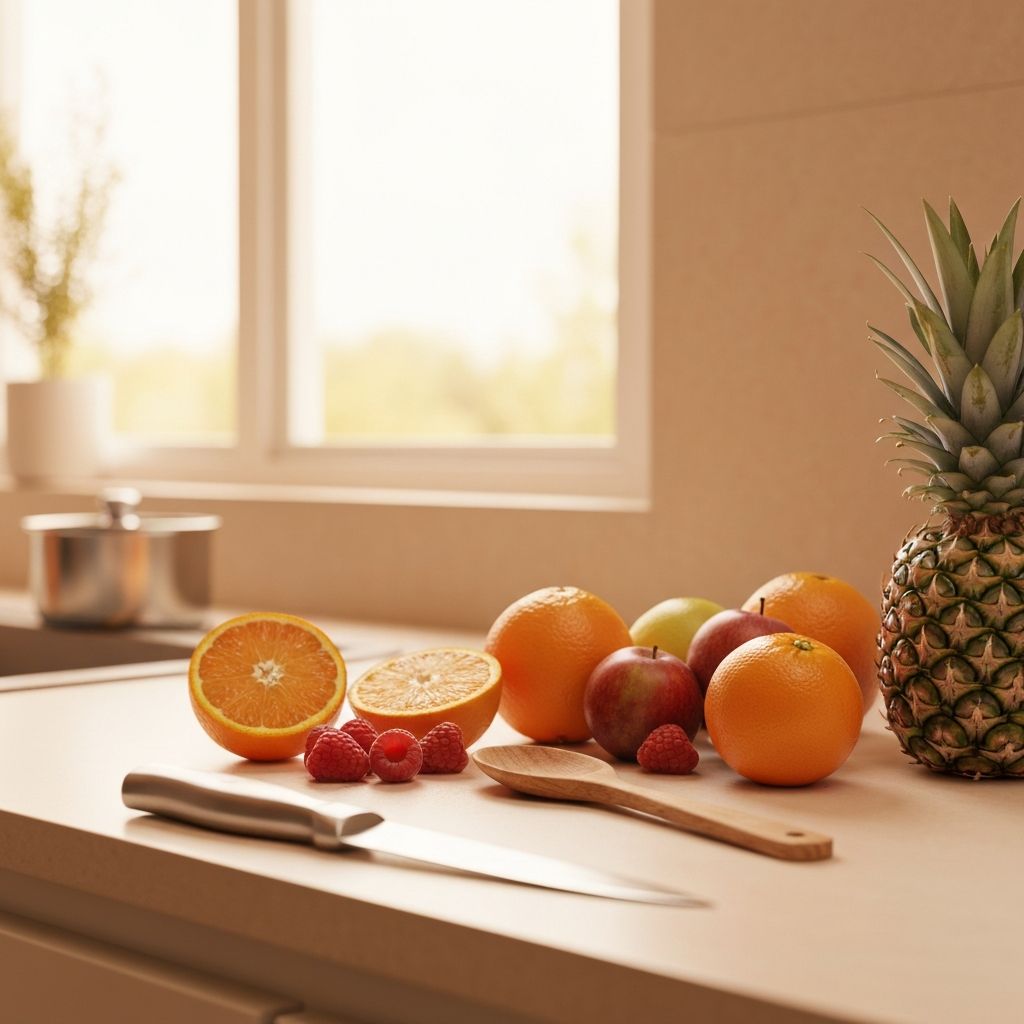
Research shows that even small changes in food positioning affect consumption patterns. Fruits placed prominently on kitchen counters are eaten more than fruits hidden in refrigerators. Snack foods stored at eye level are accessed more than those on higher or lower shelves. These findings suggest that environmental cues directly influence eating patterns.
Kitchen Design and Eating Patterns
How kitchens are organized affects not just convenience but also eating frequency and food choices. Kitchen layouts that make certain foods easily accessible create habitual patterns around those foods. Kitchens with visible fruit bowls create different eating routines than kitchens without them.
The distance between food and eating spaces matters too. When snack foods are closer to where people spend time, they're eaten more frequently. This isn't a matter of lack of self-control; it reflects a basic principle that proximity affects behaviour frequency.
Social Context and Eating Behaviour
Who we eat with influences what and how much we eat. Eating alone differs neurologically and behaviourally from eating with others. Social contexts introduce conversational engagement, mirroring effects (eating more when others eat more), and social norms about appropriate eating amounts.
Family meal traditions create environmental contexts that shape children's lifelong eating patterns. The foods regularly present at family meals become familiar and habitual. The timing and social dynamics of family eating become internalized patterns.
Temporal Environmental Cues
Time of day is an environmental cue. Regular meal times create anticipation. Your body learns to expect eating at habitual times, and your environment (clock time, light patterns, daily rhythms) serves as a cue for eating behaviour.
Different environments have different temporal patterns. Office environments have different lunch-time cues than home environments. Travel disrupts familiar temporal cues, which is why people often notice changes in eating patterns when their daily schedule changes.
Sensory Environmental Factors
Sensory features of environments influence eating beyond just food visibility. The smell of food being prepared triggers appetite and eating readiness. The appearance of food environments (cleanliness, organization, visual appeal) affects whether eating feels appealing or unappealing.
Temperature, lighting, and even background sounds in eating spaces affect eating experience and consumption amounts. Pleasant, comfortable eating environments promote more relaxed eating. Less comfortable environments might promote rushed, less mindful eating.
Food Availability Patterns
What foods are available in your regular environments profoundly shapes what you eat. Individuals who live near certain food retailers develop different eating patterns than those near different retailers. Food environments differ dramatically between geographic areas, between home and workplace, and between different social circles.
Cultural and Social Environmental Factors
Eating is deeply embedded in cultural and social contexts. Social norms about appropriate foods, meal times, and eating amounts vary dramatically between cultures and communities. These aren't arbitrary but are learned through repeated exposure to particular food environments.
Holidays, celebrations, and cultural gatherings create temporary food environments that shape eating during those times. Religious practices often establish specific food environments and eating patterns.
The Interaction Between Personal Preferences and Environment
Environment and preferences interact. While individuals have genuine taste preferences, environmental exposure shapes preference development. Foods regularly present in early environments become more familiar and often more preferred. Repeated exposure to particular foods creates familiarity that can influence liking.
Work and Travel Environments
People often eat differently in work environments than at home. Workplace food availability creates different eating routines. Travel creates entirely new food environments, leading people to eat differently during trips than in their regular contexts.
These environmental shifts reveal how much eating is shaped by context. When contexts change, eating patterns often shift accordingly.
Environmental Stress and Eating
Stressful environments influence eating patterns independent of other factors. Chaotic, high-stress environments often correlate with different eating patterns than calm, organized environments. This reflects both the effects of stress on hunger/appetite systems and the influence of environmental conditions on what and how we eat.
Implications of Environmental Influence
Understanding environmental influence on eating reveals that food choices aren't made in isolation. They're shaped constantly by the spaces we inhabit, the people around us, the foods made available to us, and the daily patterns of our environments.
This environmental perspective is offered as educational information. Individual eating choices are influenced by complex combinations of personal, environmental, and contextual factors. Environments vary considerably, and individual responses to similar environments vary too.